
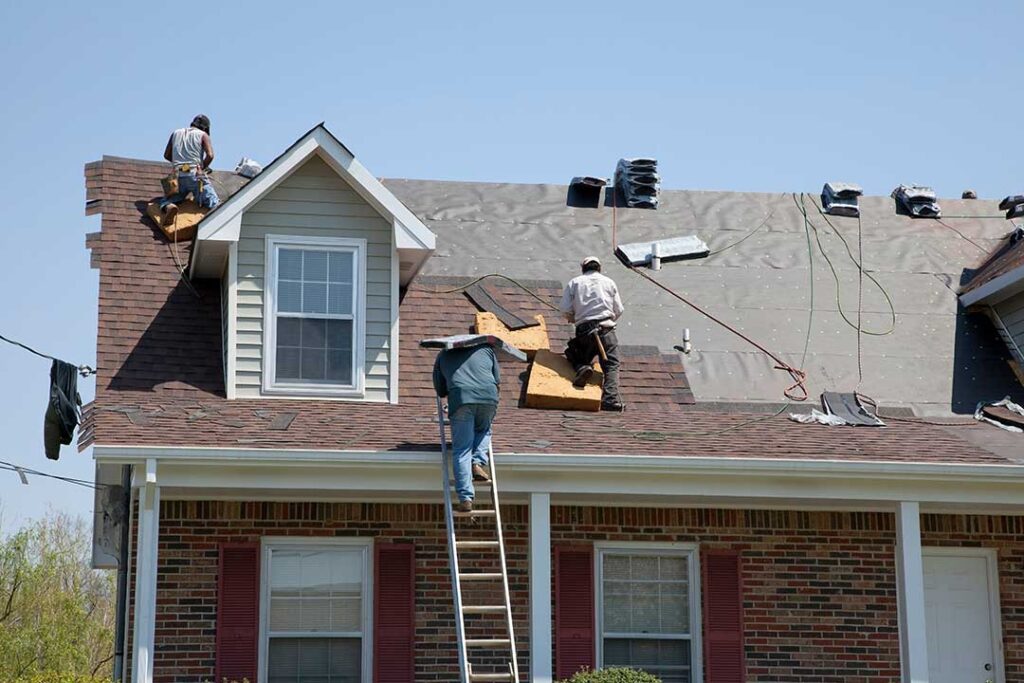
Roof problems do not stop during a pandemic, severe storm, power outage, or other community emergency. Some repairs can wait briefly, but active leaks, missing roof sections, exposed electrical components, and structural damage may require prompt action.
For households in Windsor, NY, the safest approach is to separate urgent water-shedding work from longer-term improvements, limit unnecessary indoor contact, and make decisions based on the condition of the roof rather than fear or misinformation.
Which roof problems require immediate attention?
A roof repair is urgent when delaying it could cause injury, major water intrusion, electrical danger, or additional structural damage.
Examples include:
- Water entering living areas, ceilings, or electrical fixtures
- A large section of shingles, membrane, flashing, or metal roofing blown away
- A visibly sagging roof or ceiling
- A fallen tree or branch creating an opening
- Exposed roof decking, insulation, or interior framing
- Active leaks near heating equipment, wiring, or electrical panels
- Ice, snow, or storm debris creating an unsafe load or access condition
A small, isolated stain from an old leak may be monitored temporarily if no water is entering, but it should not be ignored indefinitely. Water can travel through insulation and framing before appearing indoors, making the visible damage smaller than the underlying problem.
What should a homeowner do before anyone arrives?
Start with safe observation from the ground or from inside the attic if access is safe. Do not climb onto a wet, icy, snow-covered, or visibly damaged roof. Roof surfaces can be slippery, unstable, or weakened by hidden structural damage.
Useful first steps include:
- Photographing the exterior and interior damage from a safe location
- Placing containers under active drips
- Moving furniture, electronics, and other belongings away from the leak
- Turning off electricity only if water is near fixtures and the electrical panel can be reached safely
- Marking the location of ceiling stains and noting when the leak began
- Checking whether water is spreading after rain, snowmelt, or wind
Do not puncture a bulging ceiling. A ceiling pocket may contain water, and releasing it without a safe plan can cause sudden flooding or collapse.
Temporary coverings can sometimes reduce additional water entry, but tarps, ladders, and roof access are dangerous during wind, rain, ice, and low visibility. A temporary measure should never substitute for a safe repair plan.
How can roof work be managed during COVID-19 or another health crisis?
The main goal is to keep the repair moving while reducing unnecessary close contact. Roof work often takes place outdoors, which can make physical separation easier, but access to the home, attic, garage, or utility areas may still create indoor exposure.
Before work begins, agree on practical boundaries:
- Whether the inspection can be completed from the ground, attic, or exterior only
- Which doors, rooms, and paths may be used
- Whether occupants will remain in a separate area
- How photos, measurements, and paperwork will be exchanged
- Whether payment or documentation can be handled electronically
- What happens if a household member or worker develops respiratory symptoms
If someone is sick with a respiratory illness, postponing nonurgent indoor work is generally the safer choice. For urgent damage, the household and workers should communicate clearly, improve ventilation where practical, maintain distance, and use well-fitting masks when close indoor contact cannot be avoided.
A homeowner does not need to invite workers through the entire house simply because the roof needs attention. A clearly defined entry route and limited work area can reduce contact and protect household members who are older, immunocompromised, or otherwise at higher risk.
What if the repair cannot be completed immediately?
A temporary repair should focus on stopping water and preventing the damage from spreading. It may involve covering an opening, securing loose material from the ground, redirecting water away from interior spaces, or removing a limited hazard when conditions are safe.
Temporary work is not the same as a permanent repair. A covering can fail under wind, ponding water, snow, or repeated freezing and thawing. In the seasonal conditions common to the region, a short-term patch may need to be checked after each significant weather event.
Keep written notes about:
- The date and cause of the damage
- Areas that were temporarily protected
- Any materials that were removed
- Interior damage, drying efforts, and damaged belongings
- Changes in the leak after rain, snow, or temperature swings
These records can help with insurance questions, future repairs, and decisions about whether hidden moisture may still be present.
Should roof repairs be delayed during a storm, winter weather, or an emergency?
Unsafe weather is a legitimate reason to delay exterior work, even when the roof is leaking. High winds can turn tools and roofing materials into hazards. Rain makes roof surfaces slippery, and snow or ice can hide weak decking and openings.
During winter in Windsor, freeze-thaw cycles can worsen small openings. Water may enter during a warm period, then freeze and expand overnight. Snow buildup can also conceal damaged flashing, clogged drainage paths, or displaced shingles.
If work must wait, protect the interior first. Use containers, towels, plastic sheeting on floors, and safe movement of belongings. Avoid placing heavy objects on a sagging ceiling or using heat sources near wet materials.
What health and safety precautions matter most?
Roof repairs involve hazards beyond respiratory illness. Falls, electrical contact, falling debris, ladders, nail exposure, mold growth, and unstable framing can all create serious risks.
Basic precautions include:
- Keeping children and pets away from the work zone
- Staying clear of areas below active roof work
- Treating wet ceilings and electrical fixtures as potential hazards
- Using gloves and eye protection when handling damaged materials
- Avoiding attic entry if insulation is wet, wiring is exposed, or framing appears unstable
- Improving ventilation when workers must enter the home
- Asking anyone who is ill to avoid close contact and postpone nonessential work
Masks can reduce respiratory exposure during close indoor work, but they do not replace fall protection, electrical precautions, or proper ventilation.
How can homeowners avoid making a crisis more expensive?
The most common costly mistake is delaying an active leak because the roof problem appears minor. Another is attempting a dangerous repair without the equipment, weather conditions, or knowledge needed to complete it safely.
Prioritize work in this order:
1. Protect people from immediate hazards.
2. Stop or limit active water entry.
3. Prevent additional structural or electrical damage.
4. Dry affected areas and monitor for lingering moisture.
5. Address the underlying roof failure.
6. Consider cosmetic improvements only after the roof is weather-tight.
Do not assume every visible roof problem requires full replacement. A localized failure may involve flashing, a vent, a small area of shingles, or drainage. On the other hand, repeated patching may not be sensible if the roof covering is broadly deteriorated or the underlying deck is damaged.
What questions should be answered before repair work starts?
Clear communication is especially valuable during a crisis. Ask for a description of the immediate hazard, the temporary protection being used, the expected duration of the work, and whether anyone must enter the home.
Also clarify:
- Which areas need to remain vacant
- How debris and damaged materials will be handled
- Whether weather could interrupt the work
- What signs indicate that the temporary repair has failed
- Whether attic or interior drying is needed
- Which parts of the work are temporary and which are permanent
A careful plan does not eliminate every risk, but it helps residents protect the home while making safer decisions under pressure.
