
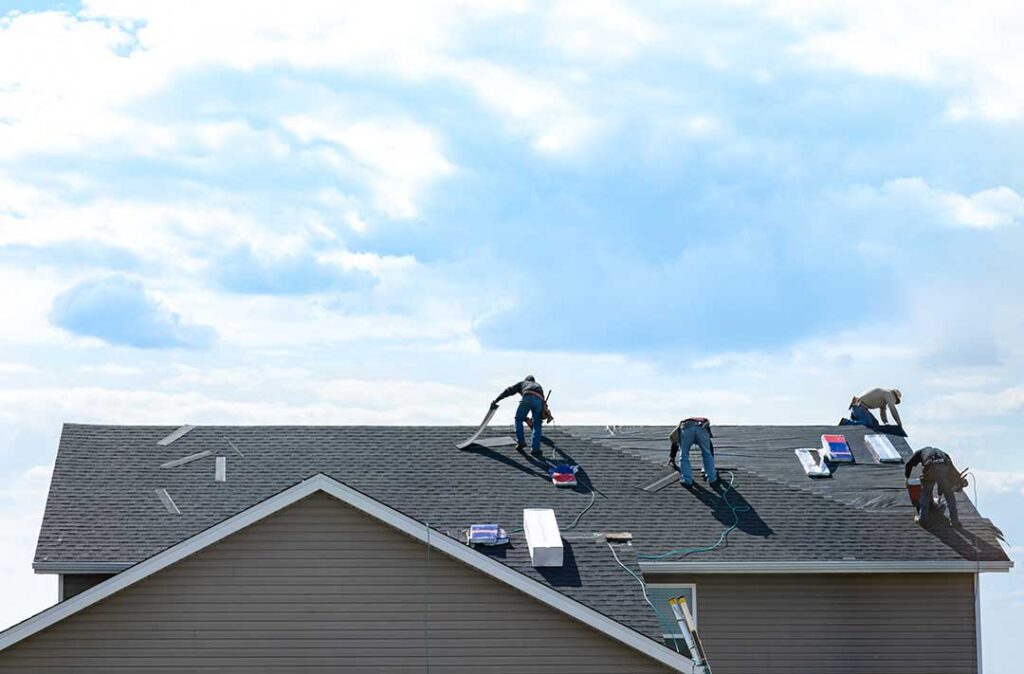
How Can Homeowners Safely Access Their Roof?
Accessing the roof is a common need for inspections, minor cleaning, or seasonal maintenance. Safety starts before taking the first step upwards. Select a sturdy, well-placed ladder that extends at least three feet above the edge of the roof. Always position the ladder securely on level ground and make sure it is stabilized—gravel driveways or lawn areas in Windsor can cause ladders to shift if not checked closely.
Wear sturdy, slip-resistant footwear and avoid loose-fitting clothing that could catch on gutters or roof features common in area homes. It is wise to inform another household member before climbing and never access the roof when alone. Winds can shift quickly in Windsor, and unexpected weather changes might make a situation unsafe.
What Weather Conditions Make Rooftop Work Dangerous in Windsor?
Certain weather conditions significantly increase the risks of working on a roof in Windsor. Wet or icy surfaces are primary hazards. Shingles, metal, and slate become extremely slick after rain, fog, or overnight frost, which is especially frequent during the spring and fall transition months.
Even in midsummer, sudden showers can pass through the region. Sun exposure can also be an overlooked hazard; high heat and glare cause dehydration or sudden dizziness. Roofing felt in strong sunlight may become soft and slippery as well. Residents should:
- Wait several dry, sunny hours after rain or frost before climbing up
- Avoid rooftop work if wind speeds make balance difficult
- Schedule maintenance during mild mornings or late afternoons to avoid heat-related stress
What Dangers Are Present On and Near the Roof?
Roofs often seem straightforward, but hidden dangers are common—especially for homes with steep pitches or multiple stories. Common hazards include:
- Loose, brittle, or missing shingles from seasonal freeze-thaw cycles that Windsor homes experience
- Moss or algae buildup, especially on north-facing slopes, which is slippery and easy to overlook from the ground
- Solar panels, satellite dishes, and antennas add trip hazards or areas that may conceal rot or weak decking
Electrical hazards deserve special mention. Overhead power lines in residential neighborhoods can be closer than expected, particularly on older lots or where trees and rooflines overlap. Always look upward and outward for any electrical lines before using ladders, carrying tools, or cleaning out gutters.
Is Protective Equipment Necessary for Residential Roof Tasks?
While small inspection tasks may not require full professional gear, using the right equipment greatly reduces chances of injury. Basic personal protection includes:
- Work gloves to prevent cuts from asphalt shingles, metal flashing, or debris
- Eye protection if using a blower or removing moss
- Secure, closed-toe shoes with good tread for traction
For steeper roofs or more involved projects (such as replacing shingles or cleaning skylights), consider a roofing harness with a stable anchor point. Anchor systems can be temporarily fastened to roof framing—make sure the device chosen is rated for residential use and always follow manufacturer instructions.
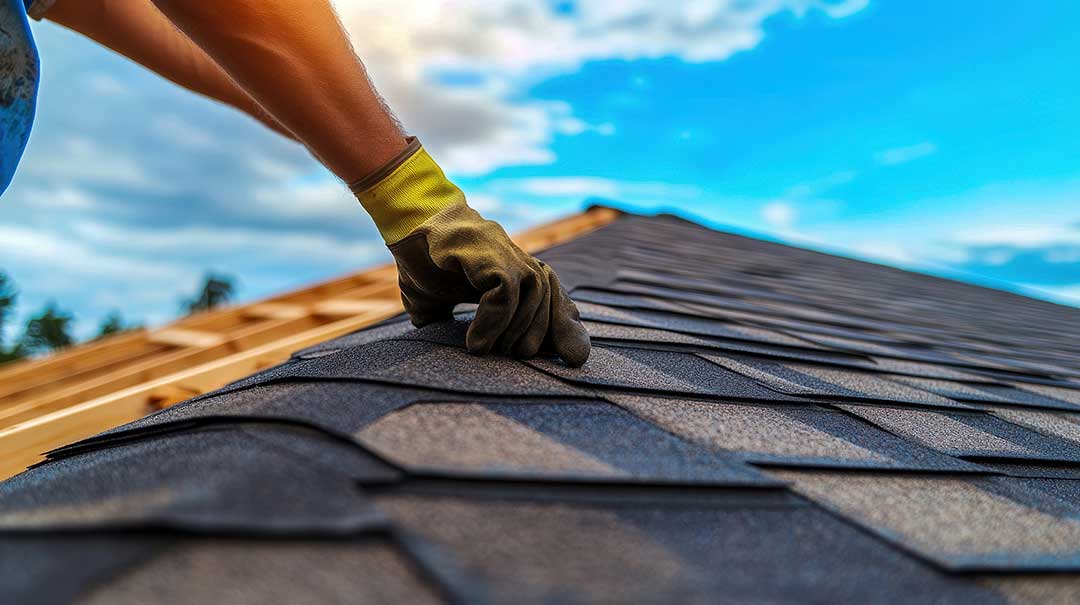
How Can Roof Surfaces Be Navigated Safely?
Walking on a sloped surface requires caution, even for those familiar with the layout of their own home. Stay clear of the very edge as much as possible. On roofs with significant pitch, move in short steps and try to distribute your weight evenly. Avoid stepping on damaged, cracked, or visibly sagging spots—these could be signs of underlying rot often found after prolonged damp seasons.
Don’t lean across large gaps or reach too far for debris; reposition yourself to avoid losing balance. Keep tools and materials in a lightweight pouch or use a bucket tied off to the roof instead of carrying items in hand. For multi-level roofs, take particular care where surfaces join, as snowmelt and rainwater in Windsor frequently cause these seams to loosen or develop hidden leaks.
Are There Local Risks or Seasonal Concerns Unique to Windsor Homeowners?
The community’s distinct climate and housing patterns can bring special considerations for rooftop safety. The mix of mature oaks and maples means leaves and branches often accumulate quickly, especially in autumn, adding slipperiness and extra cleaning volume. After severe winter storms, ice dams are a regular challenge and can cause sudden runoff or hidden soft spots.
Many area homes have older architectural designs with multi-level steep roofs. These can be difficult to navigate without experience. In the spring, gutters should be checked for leftover debris and animal nests, as birds and squirrels in Windsor neighborhoods are known to shelter under eaves.
What Are Common Misconceptions About DIY Roof Work?
Many homeowners believe that as long as the task appears simple, safety precautions aren’t necessary. In reality, most injuries occur from slips and unsecured ladders during “quick” jobs like checking a shingle or clearing a clog. Others underestimate the speed with which local weather can shift—sunny, dry mornings can turn hazardous by noon in Windsor, especially in late spring and summer.
Another frequent misconception is that all roof types are equally safe to walk on. Materials like slate, tile, or metal (which are present in some historic area homes) are often much more fragile and slick than standard asphalt shingles, and may crack under weight or change footing unexpectedly.
When Should a Homeowner Seek Professional Help?
Simple inspections and debris removal can be done safely with preparation, but certain situations present unacceptable risks:
- If structural damage, widespread rot, or evidence of electrical issues near the roof surface is discovered
- When slopes are particularly steep or access points are limited
- After major wind, hail, or ice storms when the integrity of the roof is uncertain
In these circumstances, leaving work to qualified specialists is the safest course. Various hazards in Windsor’s housing stock—such as aging frames or outdated wiring—should be assessed by people trained for those specific risks.
