
What Counts as a Roof Emergency in Windsor, NY?
A true roof emergency involves sudden, severe damage that exposes the inside of your home to rain, wind, or falling debris. In Windsor, NY, strong storms, heavy snow loads, and falling tree limbs are frequent causes. Leaks that are small or slow to accumulate usually do not require immediate action beyond normal maintenance.
Emergency situations often include:
- Large sections of missing shingles or roofing material after a storm
- A visible hole or puncture from a fallen branch
- Water pouring through the ceiling during active rain or melting snow
- Roof collapse or sagging after significant snow buildup
Quickly recognizing the difference between urgent and less-critical roof issues helps households prioritize safety and response.
What Should You Do First if Your Roof is Damaged?
If you discover sudden damage, your first priority is safety. Do not climb onto the roof or attempt repairs while conditions remain hazardous.
Steps to take immediately:
- Stay clear of any area where the roof structure is visibly sagging or unstable.
- If water is entering, move belongings to prevent further damage and set up buckets or towels to contain drips.
- In case of potential electrical hazards, such as water coming through light fixtures, turn off electricity to the affected area at the breaker box.
For situations involving downed power lines or structural collapse, emergency services (such as local fire crews) should be notified before any further action.
Is It Safe to Temporarily Patch a Roof During Bad Weather?
Residents sometimes try to place tarps or boards over openings while a storm is ongoing. Unless the area is easily reached with both feet on the ground (such as a porch extension), this is rarely safe due to slippery surfaces, wind gusts, and falling branches. Most temporary patching should wait until conditions stabilize.
If access is truly safe, fasten a waterproof tarp over the opening by weighting the edges with heavy objects. Never use ladders during high wind or lightning. Many injuries in the region occur when well-intentioned residents underestimate the risk.
How Can You Minimize Interior Damage Until Repairs Can Be Made?
Preventing further water intrusion is key after the initial issue has occurred.
- Collect dripping water using buckets or pots to prevent spread across floors.
- Lay down towels along baseboards and furniture at risk from leaks.
- Remove valuables, electronics, and important papers from rooms below the affected area.
- Open closet or bathroom doors near saturated ceilings to increase airflow and reduce mold risk.
- Use fans or dehumidifiers to help dry damp areas, but only if electrical outlets are well away from water exposure.
If your roof is leaking due to heavy snow that has not yet fallen through, removing excess snow from the ground with a roof rake can lessen weight—but only if you can do so safely from below. Do not climb onto snow-covered roofs.
When Do You Need Official Support or Inspections in Windsor?
Certain situations in Windsor, NY require official notification or inspection:
- After a tree falls on your home, municipal agencies or your insurance company may inspect for structural hazards.
- Large sections of roofing torn off by high winds can expose not just your household but nearby property to debris. Local public safety may need to inspect for public hazards.
- If your home is in a historic district or is part of a homeowners’ association, additional notifications or permits may be required before extensive repairs.
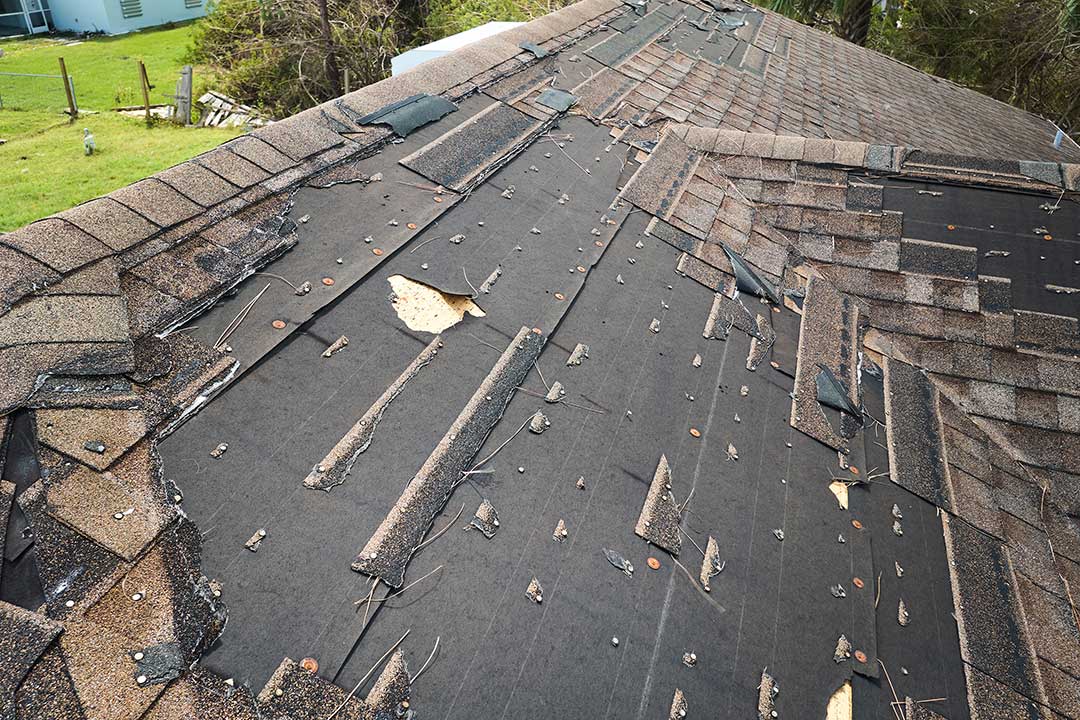
Keep a record of photos and written descriptions of roof damage to support insurance claims, code compliance, or official reporting.
Are There Common Roof Emergency Mistakes to Avoid?
Many homeowners worsen damage or risk injury through hasty or uninformed actions. Common errors include:
- Walking on a wet, iced, or storm-damaged roof to inspect or patch problems
- Underestimating continuing risks after the initial event (such as ongoing water infiltration or collapse potential with heavy snow)
- Ignoring small leaks that can worsen with ongoing rain or melting
- Failing to check ceilings, wall joints, and attic spaces for spreading water even when the main leak seems small
- Skipping documentation, making later insurance claims difficult to prove
By focusing first on safety, then on minimizing further damage inside, and finally on documentation, area residents can avoid repeating the most common and costly errors.
What Can You Do to Prevent Future Roof Emergencies in the Region?
While not every storm or falling limb can be avoided, regular care and basic preparation make emergencies less likely in Windsor. Consider:
- Annual roof inspections from the ground (binoculars are useful) to spot missing or damaged shingles
- Cleaning gutters and downspouts in both spring and fall, as clogged systems contribute to ice dams and leaks
- Trimming tree limbs that hang near or over the roof
- Checking attic insulation and ventilation—these help prevent ice dam formation, a common local concern in winter
- Keeping simple roof emergency supplies on hand (tarps, buckets, extra towels, and a roof rake)
Responding calmly, monitoring all damage carefully, and knowing when to seek local assistance can help reduce the long-term impact of sudden roof issues in the community.
