
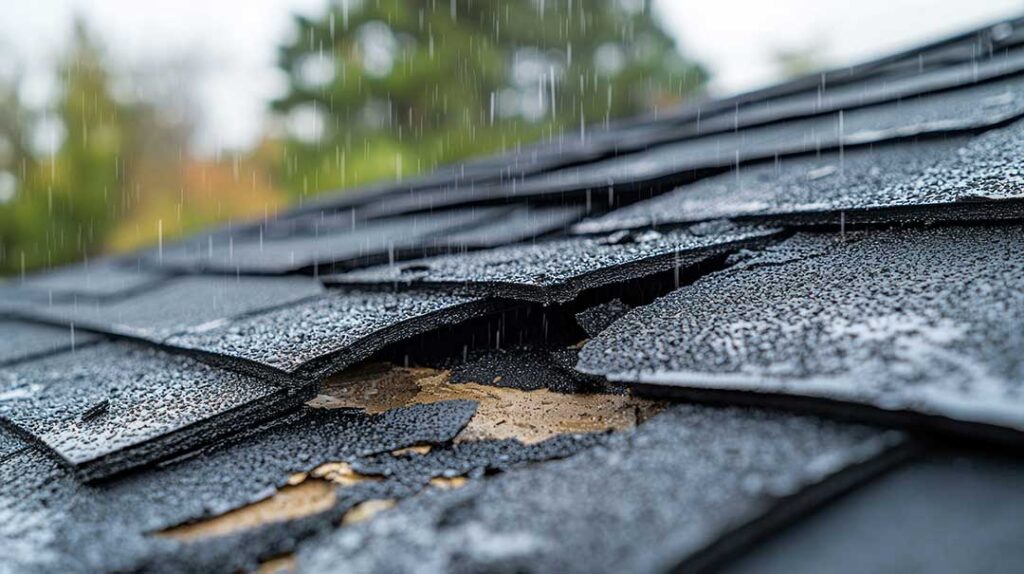
How Do Shade Trees Influence Roof Longevity in Windsor, NY?
Shade trees can either help or hinder the lifespan of a roof, depending on several interacting factors. In Windsor, NY, mature leafy trees are common around homes, offering both shelter and unique challenges to roofing materials. Shade can help prevent some weathering issues but also introduce moisture-related risks. Understanding these impacts helps homeowners make informed decisions about roof care.
Can Shade from Trees Protect a Roof from Sun Damage?
Shade trees provide a barrier that blocks some of the sun’s most intense rays. In the humid continental climate of Windsor, strong UV exposure—especially during summer—can accelerate the breakdown of roofing materials like asphalt shingles. Where trees cast cooling shadows, shingles, flashing, and sealants are shielded from the full force of the sun:
- Shingles kept out of direct sun tend to lose less of their surface granules, helping preserve their waterproof qualities.
- Lower roof temperatures lessen the expansion and contraction that weakens seals and causes premature aging.
Local residents often notice that areas of the roof consistently shaded by mature maples, oaks, or evergreens remain in better condition than areas exposed to midday sun. However, complete shade coverage is rare due to seasonal leaf loss and shifting sun angles throughout the year.
Do Shade Trees Contribute to Roof Moisture and Mold Problems?
Shaded roof surfaces dry more slowly after rain or morning dew. In Windsor, annual precipitation exceeds 40 inches, with frequent wet spells in spring and fall. Extended dampness on roofing materials can:
- Increase the chance of moss, lichen, and algae growth, which are especially noticeable on roofs beneath dense tree canopies.
- Allow moisture to seep under shingles, potentially leading to wood rot or leaks over time.
Large trees that block airflow, or that drop leaves and twigs onto the roof, make these issues more pronounced. Moss and algae are not only unsightly but can lift edges of shingles, making roofs more prone to wind and water damage—a common challenge in older neighborhoods with dense tree cover.
Is Falling Debris from Shade Trees Harmful to Roofs?
Trees close to homes in Windsor drop leaves, sticks, and, in autumn, large volumes of organic debris. This material tends to:
- Accumulate in gutters and roof valleys, blocking drainage.
- Trap moisture against the roof surface, fostering decay even beneath asphalt or metal roofing.
- Add weight and physical abrasion that can wear shingles in specific spots, particularly where limbs overhang.
Neglected buildup is often the cause of ice damming during cold winters, as trapped water freezes and works beneath roof coverings—another reason why regular removal of debris is essential for roof longevity in the community.
Can Tree Limbs Physically Damage Roofs During Storms?
Overhanging branches pose a risk of impact or scraping during windy conditions, which are not uncommon in Windsor during nor’easters or summer thunderstorms. Each season, area residents see examples of:
- Branches rubbing during gusty weather, eroding protective shingle layers over time.
- Broken limbs falling onto roofs, leading to punctures, displacement of shingles, or even structural harm.
This risk increases with mature trees that have grown too close to the house, especially if regular trimming is overlooked. Wind-driven debris can cause immediate damage or create vulnerabilities that worsen over multiple seasons.
Are There Benefits to Having Shade Trees Near the House?
Despite the challenges, properly maintained shade trees offer tangible benefits to roof longevity and comfort:
- Reduced cooling costs in the summer, since shaded roofs absorb less heat.
- Shrubbery and tree canopies can shield roofs from hail and reduce the direct impact of heavy rain.
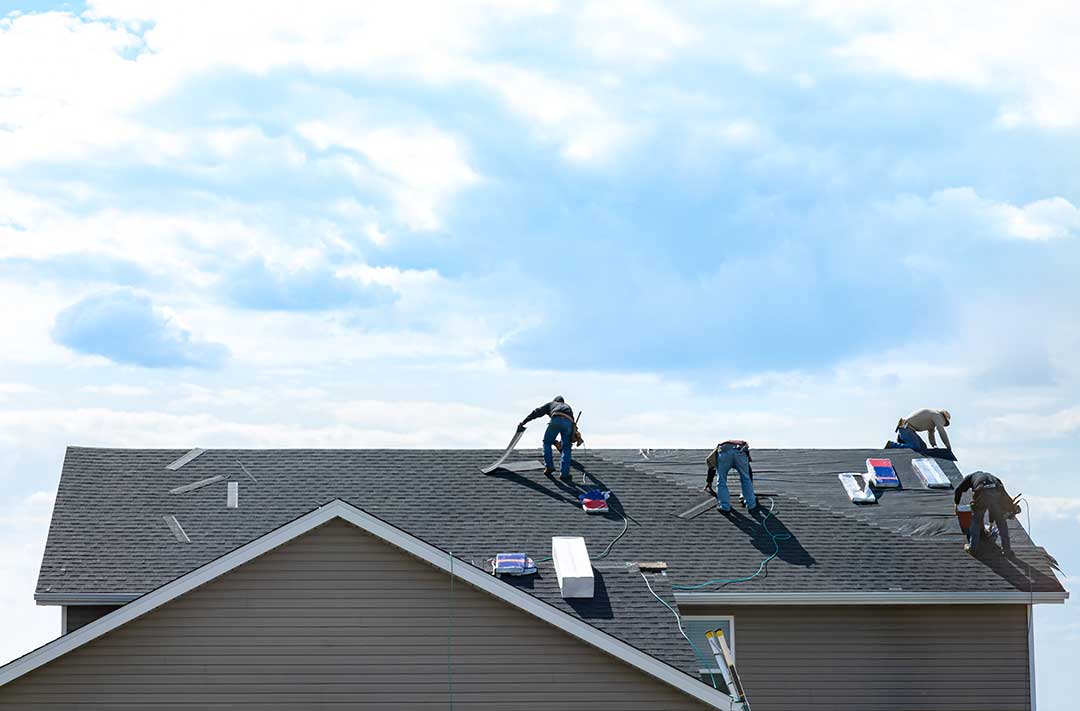
Local landscape choices that prioritize both airflow and partial shading often yield the best results, with roof health benefiting from the moderated exposure.
What Tree and Roof Maintenance Practices Make a Difference in Windsor?
Area households who want the longevity benefits of shade without the pitfalls should focus on routine maintenance:
- Prune limbs so they do not touch or hang directly over the roof, allowing for sufficient airflow and sunlight.
- Clean gutters and roof valleys seasonally, especially following autumn leaf drop.
- Inspect roofing after major storms to catch and address minor debris damage before it escalates.
- Monitor for signs of moss and algae growth, and gently remove it using methods safe for the specific roofing material.
Residents who keep nearby trees healthy and attuned to local growing conditions—while also maintaining roofs free of excessive organic debris—see fewer problems and maximize the protective qualities trees can offer.
What Are Common Misconceptions About Trees and Roof Lifespan?
Many assume that more shade always equals longer roof life, but the relationship is more nuanced. While partial shading can shield against UV damage, too much shade and poor airflow invite additional maintenance issues. Another misconception is that all tree species pose equal risk; in practice, slow-growing hardwoods with deep roots tend to be less problematic than fast-growing, brittle varieties, which drop more debris and break easily.
When Should Residents Seek Special Attention for Roof and Tree Management?
Situations that warrant extra attention include:
- Mature tree limbs within six feet of roof surfaces.
- Persistent damp or green patches on north-facing roof slopes.
- Signs of blocked gutters or leaf build-up after heavy storms.
While routine upkeep can be managed by most area homeowners, especially tall or decaying trees may require support from certified arborists to maintain both roof health and overall property safety.
